
The Short Answer
Start with what the floor must handle. Record how the space is used, how it gets cleaned, what reaches the surface and how much time you have to prepare, install and reopen it. Then compare written system builds.
Write The Operating Conditions First
- Traffic And Load. Identify foot traffic, vehicle types, turning zones, dropped objects and storage loads.
- Cleaning And Exposure. List the cleaners, process chemicals, spills, washdown temperature and how often they reach the floor.
- Slab And Details. Note existing coatings, repairs, moisture history, drains, joints and sunlight at openings.
- Appearance And Access. Agree the finish, texture, allowable closure windows and when different activities must resume.
Compare The Complete System
Epoxy Systems
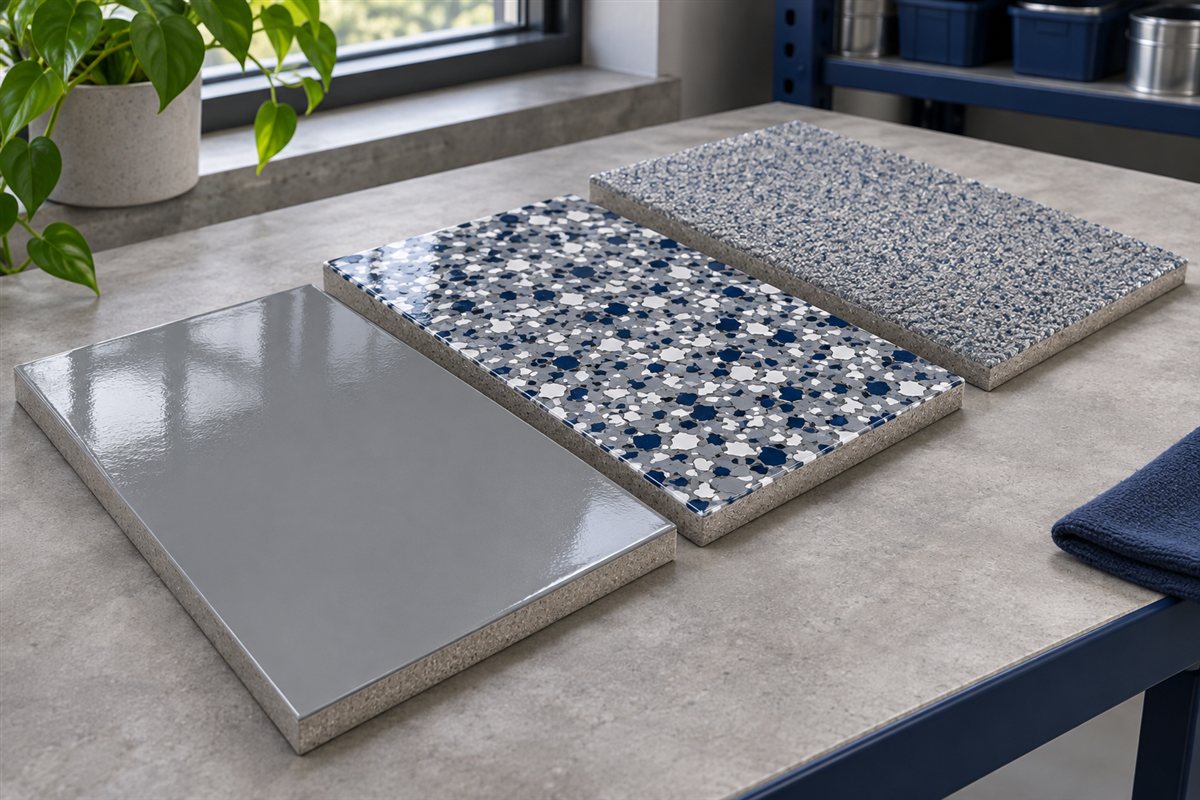
Epoxy may be specified as a primer, body coat or part of a broadcast system. Ask which finish layer will address the required texture, wear and exposure.
Polyaspartic Systems
Identify whether polyaspartic is used as the topcoat or throughout the proposed build. Compare the entire layer sequence, site limits and handover schedule.
Urethane Cement Systems
Consider a specified urethane cement system when repeated washdowns, temperature changes or process exposure warrant it. Check the named system’s data and proposed thickness.
Flake Or Quartz Broadcast
Flake and quartz describe materials broadcast into the coating build. Confirm the resin layers and finish texture, including how the selected texture will be cleaned.
For the material basics, see Types Of Epoxy Flooring and How A Resinous Floor Is Installed.
Three Spaces, Three Shortlists
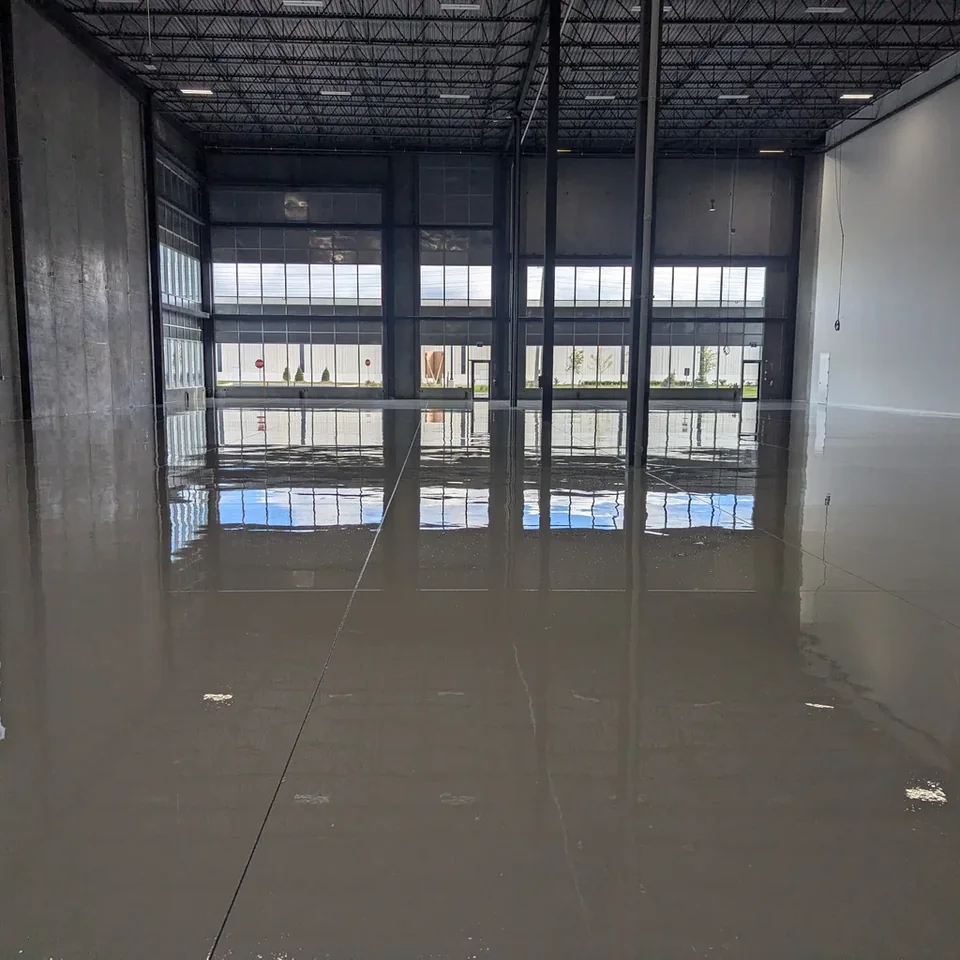
Dry Warehouse With Forklift Traffic
Mark turning lanes, doorways and loading areas. A specified epoxy-based build may be a candidate. Ask what preparation, joint treatment and finish are proposed for those areas and when loaded forklifts can return.
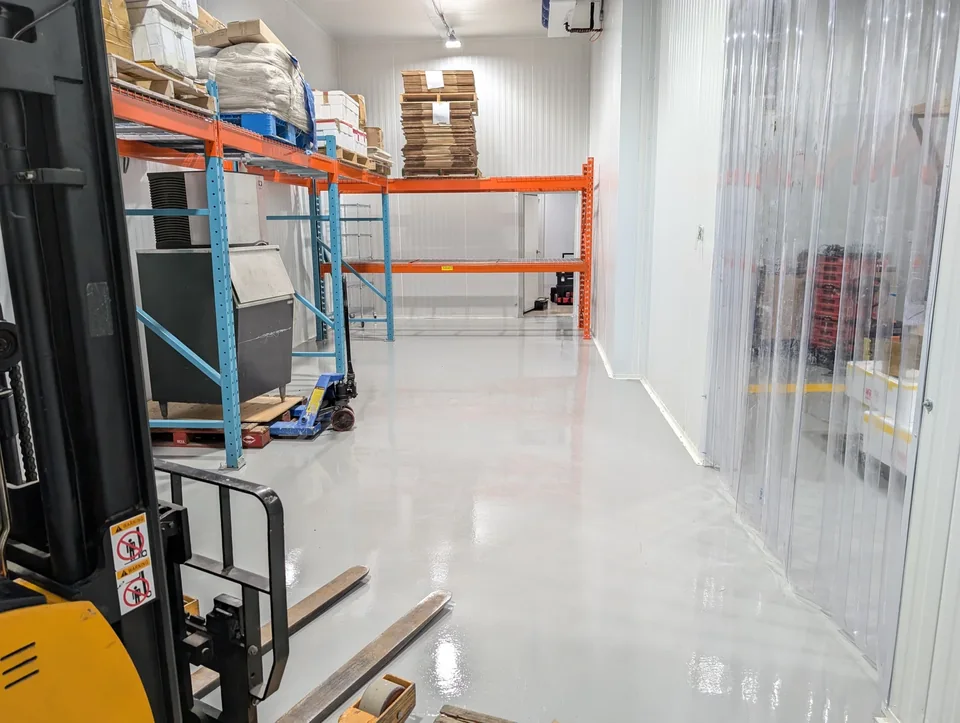
Food-Processing Washdown Area
Write down cleaning chemicals, exposure time, wash temperature and how the floor drains. Consider whether the documented exposure calls for urethane cement. Review texture, drain edges and floor-to-wall details with the supplier and installer.
Read The Food-Processing Flooring Guide
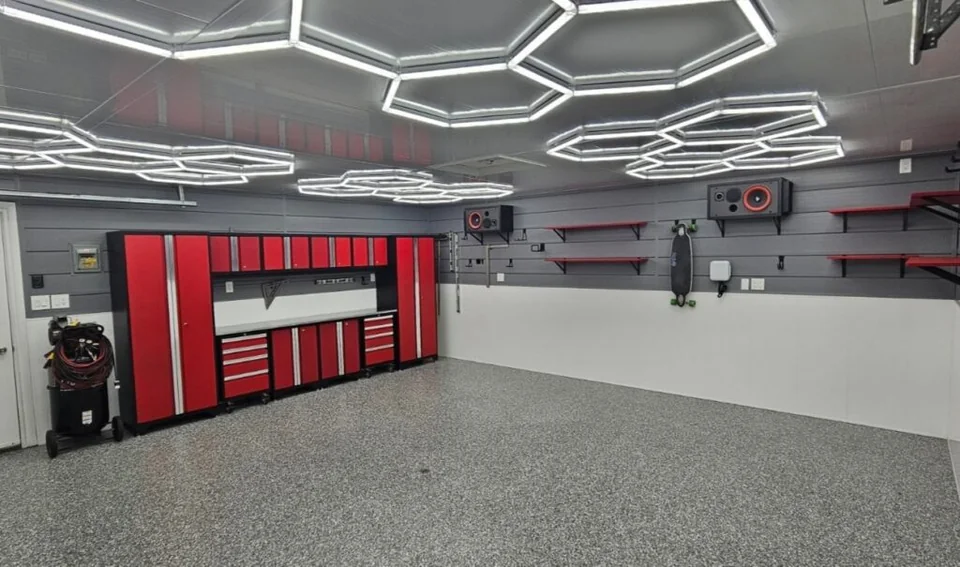
Home Garage With Winter Salt And Sun At The Door
Identify where wet tires, salt and sunlight reach the floor. Compare a flake system with an epoxy build and compatible topcoat against a full polyaspartic system, using the same preparation and repair scope. Ask how the quote handles the threshold and when vehicles can return.
What To Ask For In The Quote
- Named products and each layer’s purpose, including the primer, body or receiver coat, and finish.
- Preparation profile, moisture method and acceptance limits, and the scope for edges, cracks and joints.
- Finish texture and any documented exposure criteria that matter to your space.
- Return-to-use milestones and a written list of assumptions or items priced separately.
Can I Choose By The Coating Name Alone?
The same product family can be used in different assemblies. Compare the named layers and written criteria against the conditions you recorded.
Technical References
- Sika Resinous Flooring Surface Preparation Guide
- Example Canadian Polyurethane-Cement Product Data